The Buzz About Sustainable Coffee
A quiet morning wouldn’t be the same without a hot cup of coffee. But have you ever wondered how your daily jolt of caffeine impacts the environment? Turns out, our collective love for coffee takes a hefty toll on our planet but worry not, because there are better, eco-friendly ways to enjoy your morning cup of joe.
The Bitter Truth: The Environmental Impact of Coffee
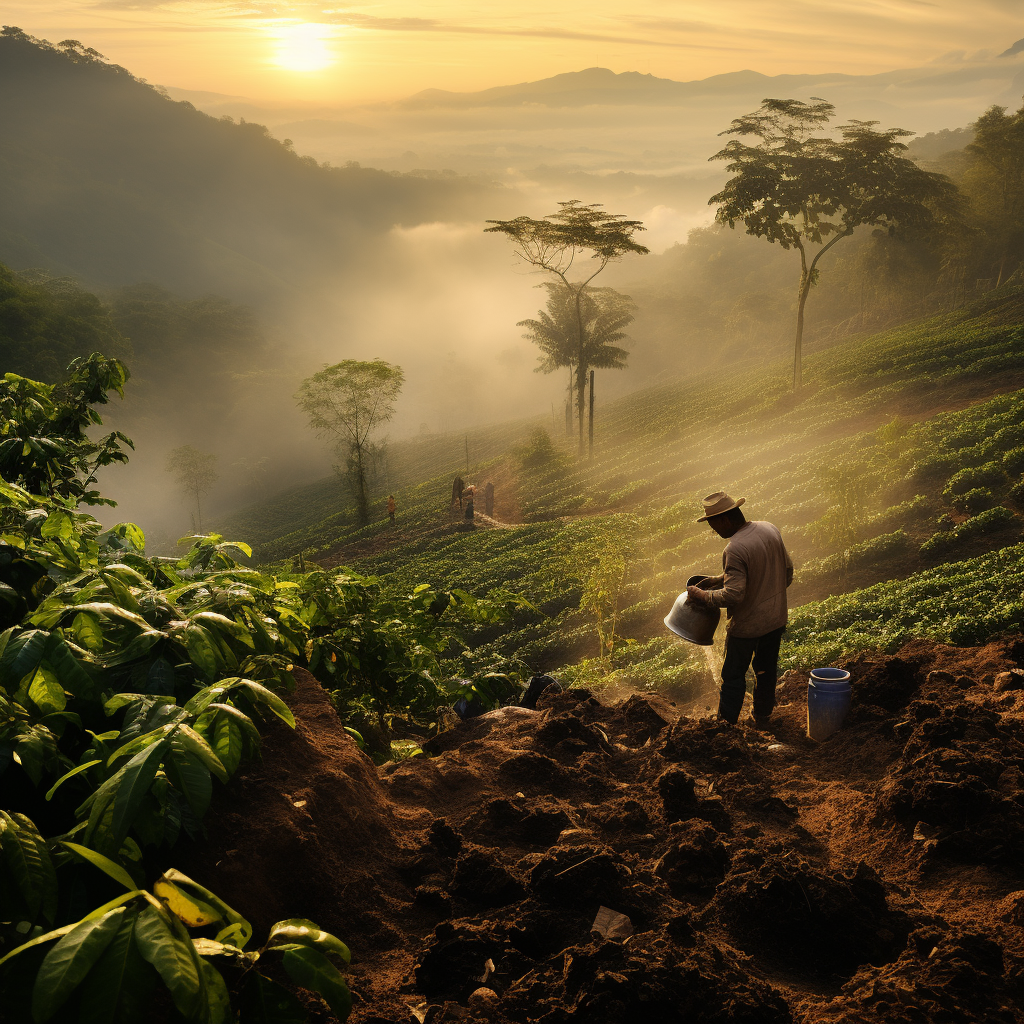
In its journey from the coffee farm to your cup, there are several stages that contribute to the environmental footprint of coffee. These include deforestation for farming, usage of chemical pesticides during cultivation, high water consumption in the processing phase, carbon footprint resulting from distribution, and lastly, waste generation from takeaway coffee cups.
Deforestation and Land Degradation
Coffee farming, especially in the conventional shade-free method, has led to large-scale deforestation and loss of biodiversity. To make matters worse, this also paves the way for soil degradation and displacement of indigenous communities.
Pesticide Usage
Conventional coffee farming uses synthetic fertilizers and pesticides that, when seep into water bodies, pose substantial risks to local biodiversity and can even contaminate the drinking water of local communities.
Carbon Footprint of Coffee Distribution
The distribution phase, which includes transporting the green coffee beans from the farms to the roasting plants, and then to retail locations, is another area where the coffee industry contributes significantly to greenhouse gas emissions.
Waste Generation
Plastic coffee pods, non-recyclable takeaway cups, and packaging materials add up to a considerable pile of waste. It’s estimated that just in the U.S, approximately 60 billion coffee cups end up in landfills every year.
Brewing Up Solutions: How to Choose Sustainable Coffee
As environmental consciousness is embracing more and more industries, the coffee sector isn’t an exception. From where it’s grown to how it’s packaged, here’s what to look for when seeking out eco-friendly coffee options.
Coffee Certifications
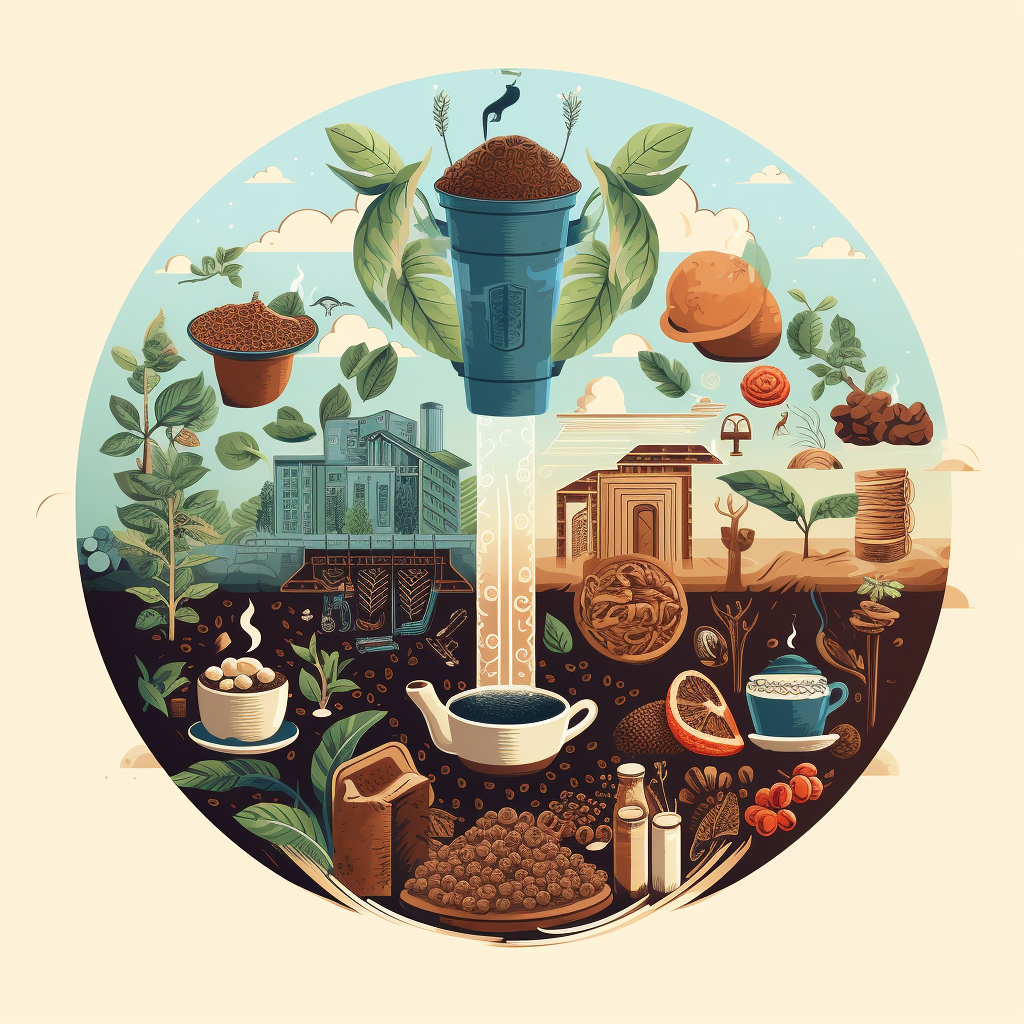
When it comes to certified coffee, labels like Fairtrade, Rainforest Alliance, USDA Organic, and Bird Friendly can guide you toward more sustainable choices. Certified organic coffee is grown without synthetic pesticides or fertilizers, helping preserve local ecosystems. Fairtrade certification ensures that coffee farmers receive fair wages and better working conditions, indirectly contributing to community sustainability.
Packaging
Choosing coffee that comes in recycled or compostable packaging can significantly lower waste generation. For lovers of coffee pods, opt for brands that provide biodegradable ones.
Support Local
Buying coffee from local roasters who source their beans directly from sustainable coffee farms can shrink the carbon footprint from distribution and support local economies.
Conclusion
Rethinking your coffee habit can contribute significantly to the fight against climate change and environmental degradation. With a little bit of conscious effort, every sip can lead us towards a more sustainable future.